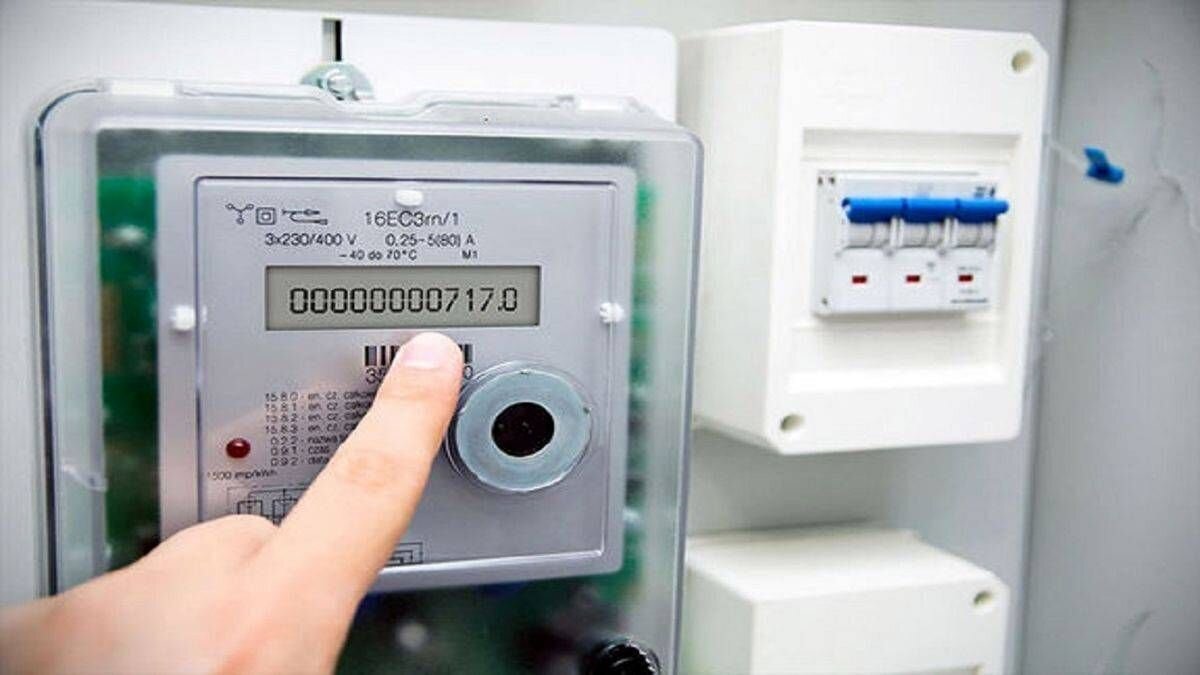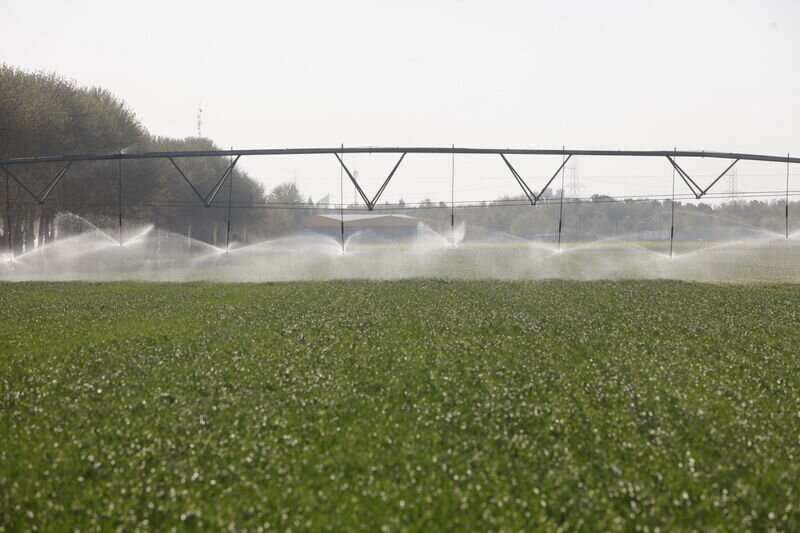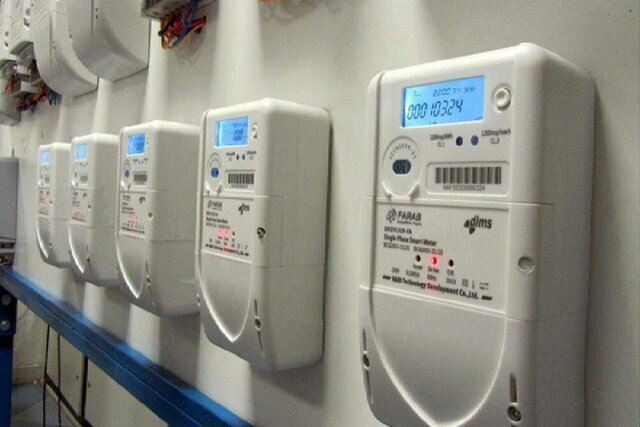
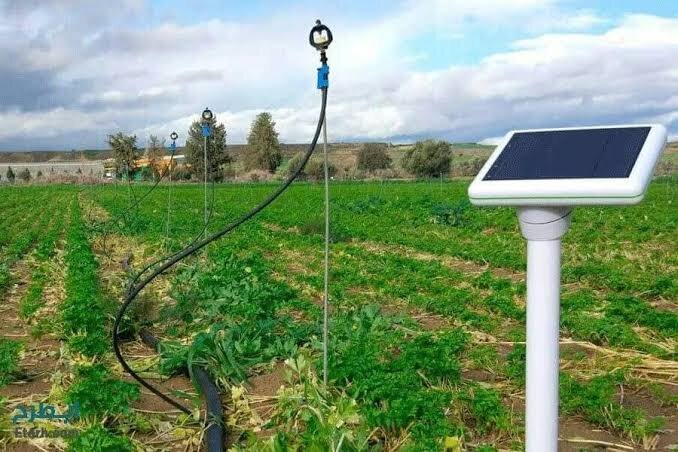
TEHRAN- The Director General of the Agricultural Water Affairs Office of the Ministry of Agriculture has announced the groundwork for volumetric water delivery to the agricultural sector following the transfer of water management responsibilities to operators, and said: Only 25 percent of agricultural water wells have been equipped with smart meters.
According to IRNA from the Ministry of Agriculture, Amir Hedayati referred to the drafting of guidelines for transferring water management responsibilities to agricultural operators and organizations, and added: This guideline has been developed based on Article 40 of the Seventh Development Plan Law and will be announced soon, which could pave the way for the implementation of the volumetric water delivery plan to the agricultural sector.
The Director General of the Agricultural Water Affairs Office of the Ministry of Agriculture stated: The drafting and announcement of the guideline for transferring water management responsibilities to operators and organizations by the Ministry of Energy can pave the way for volumetric water delivery to the agricultural sector.
He emphasized the necessity of increasing operator participation in water resource management and said: According to this guideline, part of the Ministry of Energy’s responsibilities in agricultural water management are to be gradually transferred to agricultural operators and organizations so that water resource management is carried out with the direct participation of stakeholders.
Hedayati considered the transfer of water management responsibilities to operators as the starting point for serious reforms in this field and stated: Volumetric water delivery to farmers is one of the long-standing demands of the Ministry of Agriculture.
He continued: The agricultural sector needs to have accurate information about the amount of water available to it for production planning and investment.
The Director General of the Agricultural Water Affairs Office of the Ministry of Agriculture said: In addition to creating transparency in the amount of resources and consumption, volumetric water delivery can pave the way for increased accountability, more precise planning, and more effective participation of operators in water resource management.
Emphasizing the role of agricultural organizations in water resource management, he added: Without the participation and cooperation of operators and stakeholders, the implementation of reform projects in the water sector is very difficult, and it cannot be expected that new policies will achieve favorable results without the active presence of the people and agricultural sector organizations.
Hedayati, stating that since the approval and announcement of the Fair Water Distribution Law, in at least 15 annual laws and medium-term programs of the country, the Ministry of Energy has been obliged to implement volumetric water delivery to the agricultural sector, said: However, in the field of surface waters, not much success has been achieved in implementing this obligation.
He continued: In the field of groundwater, out of about 416,000 authorized agricultural water wells, only about 125,000 wells have been equipped with volumetric smart meters, which includes less than 25 percent of the wells.
The Director General of the Agricultural Water Affairs Office of the Ministry of Agriculture stated: This situation has caused the agricultural sector to face significant uncertainty about the amount of water available to it and unable to make the necessary and reliable planning for investment and development of its activities.
He identified the lack of sufficient will to implement volumetric delivery as one of the main challenges in the path of water governance reform and acknowledged: It seems that over the past years, the necessary will to realize this issue has not been sufficiently present.
Hedayati added: Part of this issue may be due to conflicts of interest in the field of water governance, because volumetric water delivery and increased transparency in the amount of resources and consumption can reveal some existing conflicts of interest in this field.
Referring to the high share of structural projects in the country’s water resource management, he said: Structural projects, especially dam construction, have allocated a significant portion of the energy and credits of the country’s water sector, and the strong inclination of managers in this sector toward implementing structural projects has limited the opportunity and resources needed to pursue some managerial and reform measures.
EF/MA